
Where to Start: A Simple Safari Planner
Seven honest questions that turn an overwhelming choice into a clear plan: time, budget, style, wildlife, pace, season and who is coming.
Planning a safari can feel overwhelming. There are dozens of countries, hundreds of camps and prices that range from modest to breathtaking. The good news is that it gets simple quickly once you answer a few honest questions. Work through the seven below and you will have a clear picture of the safari that suits you, before you ever speak to us.
1. How many nights can you give it?
Time shapes everything else, so start here. Remember that from the US it takes the best part of two days to get to the bush and two days to get home.
- 7 to 8 nights: one region, done well. In Zambia, that means South Luangwa, perhaps moving between two or three camps.
- 10 to 12 nights: two contrasting places. South Luangwa with Victoria Falls, or the Busanga Plains with South Luangwa.
- 14 nights or more: a fuller journey. Three parks, or Zambia combined with Cape Town, the Sabi Sands or gorillas in Rwanda.
Our rule of thumb: fewer places, longer stays. Two to three nights per camp is the sweet spot. One feels rushed, and four lets you truly settle in.
2. What is your budget?
Be honest with yourself here, because it narrows the field fast. As a rule of thumb, a safari at a top-tier camp in a prime destination costs about $1,000 to $2,000 per person per night, and some of the camps we recommend, such as Singita, cost more. That rate usually includes your room, all meals and drinks, and two guided activities a day. Park fees and levies are usually extra, and our quotes always include them.
On top of that, budget for:
- International flights to Lusaka or Johannesburg
- Light-aircraft flights and charters between parks
- Gorilla permits in Rwanda, about $1,500 per person per trek
- Gratuities for guides and camp teams
Shoulder months, such as May, June and early November, often bring lower rates with excellent game. Booking early helps too, especially for small camps.
3. Ultra-luxury, or a real bush experience done beautifully?
This is the question that matters most, and there is no wrong answer.
- Ultra-luxury: private plunge pools, spas, wine cellars, villas, butlers and design-magazine interiors. Singita and similar lodges set the standard. The wildlife is superb, and the lodge itself is part of the experience.
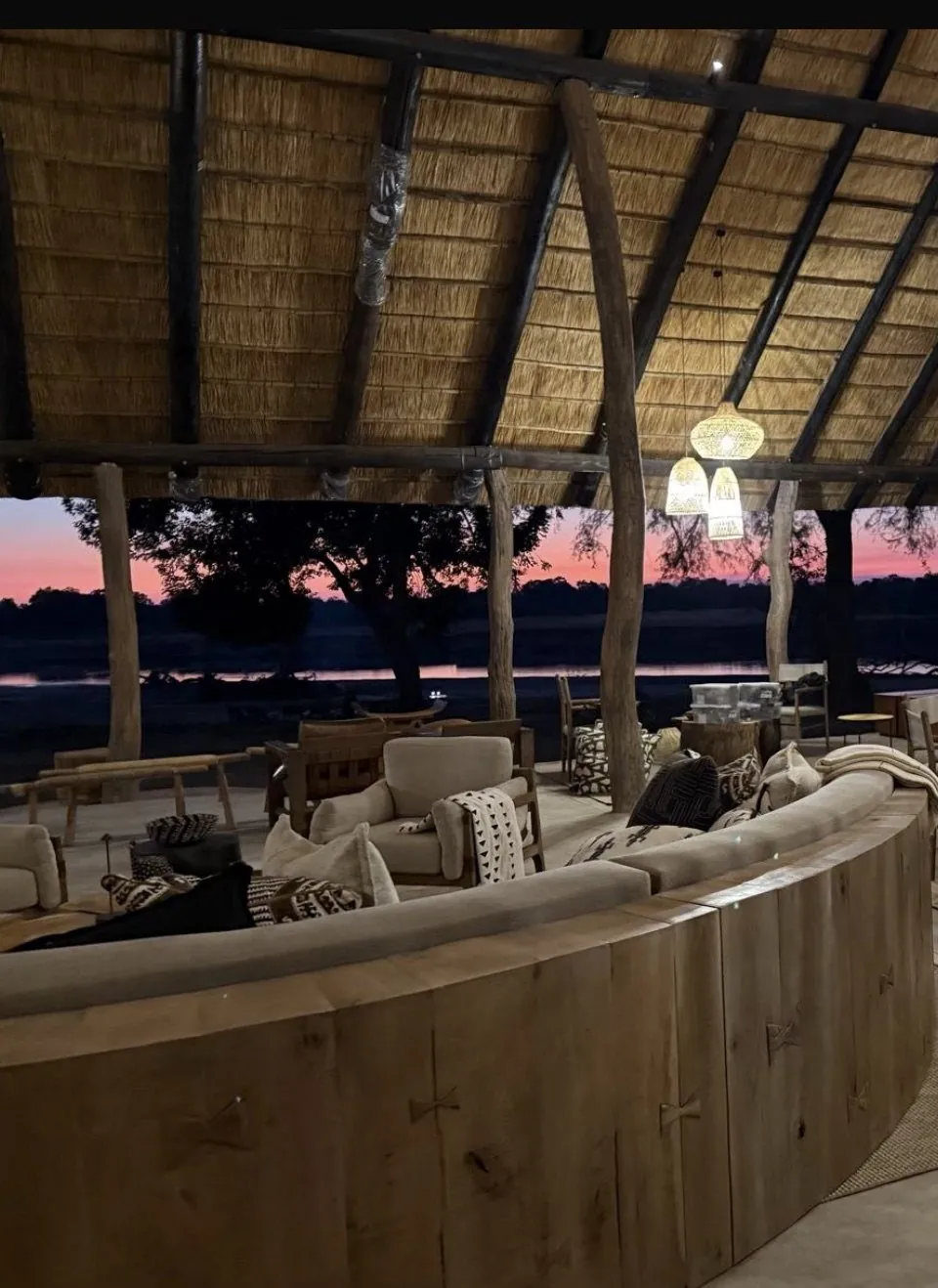
- Refined bush: intimate camps of six to eight guests, open to the sounds of the bush, with every comfort you need (good beds, hot showers, excellent food) but without the marble. The focus is the wilderness and the guiding. This is the heart of the Zambian safari.
Many of our travelers combine the two: a few nights of indulgence, and a few nights where the bush is right outside your tent.
4. What do you most want to see?
- Leopard: South Luangwa, especially on night drives, and the Sabi Sands.
- Lion and cheetah on open plains: the Busanga Plains of Kafue.
- Elephant, with water: the Lower Zambezi by canoe, or the Luangwa River.
- Mountain gorillas: Rwanda’s Volcanoes National Park.
- Great herds on the move: Liuwa Plain’s wildebeest migration in November.
- Victoria Falls: an easy addition to almost any Zambian journey.
5. How active do you want to be?
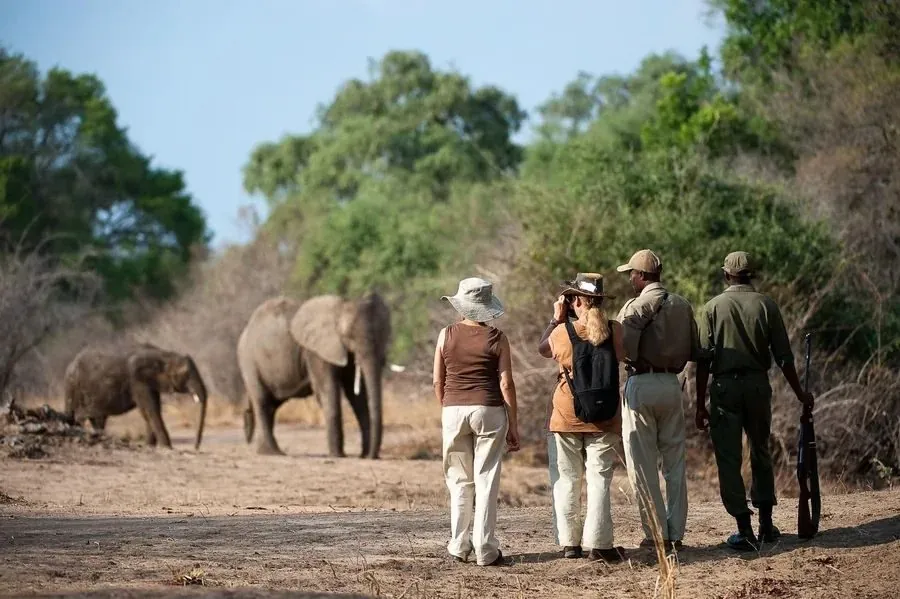
Do you want to sit back in a vehicle, or get out on foot? Walking safaris, with an expert guide and armed scout, are what Zambia does best, and they transform how you see the bush. Canoeing on the Zambezi and trekking for gorillas are active too. If mobility is limited, game drives and boat trips still deliver remarkable experiences. Tell us, and we will choose camps accordingly.
6. When can you travel?
- June to October (dry season): the classic safari months. Wildlife gathers at water, walking is at its best and the bush camps are open. September and October are hot and dramatic.
- May and November (shoulder): fewer guests, better rates, and the green or the first rains.
- December to April (green season): lush, quiet and beautiful for birding and photography, but many remote bush camps close.
For more detail, see our month-by-month guide to Zambia.
7. Who is coming?
- Couples and honeymooners: private dinners, star beds and camps with real romance.
- Families: walking safaris usually start from age 12 and gorilla trekking from 15. Younger children are welcome at some camps, often with a private guide and vehicle.
- Friends or multi-generational groups: taking over a small camp, or a private house, can be the best value and the most fun.
Putting it together
Your answers usually point clearly to one of these starting points:
| If you are… | Start with |
|---|---|
| On your first safari, with about 10 nights | Iconic Zambia: Victoria Falls and South Luangwa |
| Drawn to walking and a real bush experience | Zambia Classic: eight nights on a South Luangwa bushcamp circuit |
| On your second safari, wanting something wilder | Quintessential Zambia: the Busanga Plains, then South Luangwa |
| Able to give it two weeks or more | The Zambia Circuit: three parks, three wildernesses |
| Dreaming of gorillas | The Ultimate African Journey: Rwanda and Zambia |
| Short on time | The Luangwa Escape or The Cape & the Bush: five nights each |
| Traveling as a multi-generational family, or drawn to the history of the walking safari | The Luangwa in Full: the whole valley, ending where walking safaris began |
| Wanting city, wine and wilderness | The Southern Arc or The Grand Southern Arc |
And if you still are not sure, that is exactly what we are here for. Send us your answers, even rough ones, and Nicky will come back within one business day with ideas and a clear sense of cost. Start a conversation.
