
Why Zambia Is Becoming the Buzz
Wild parks, intimate bushcamps, low crowds and exceptional wildlife encounters. Seven reasons the secret is getting out.
For years, Zambia was the safari country that seasoned travelers mentioned quietly to one another, almost as a secret. That is changing. Zambia welcomed a record 2.2 million international visitors in 2024, and travel writers, safari specialists and repeat travelers have all started saying the same thing: if you want Africa the way it used to feel, go to Zambia, and go soon. Here is why the word is getting out.
1. Wilderness without the crowds
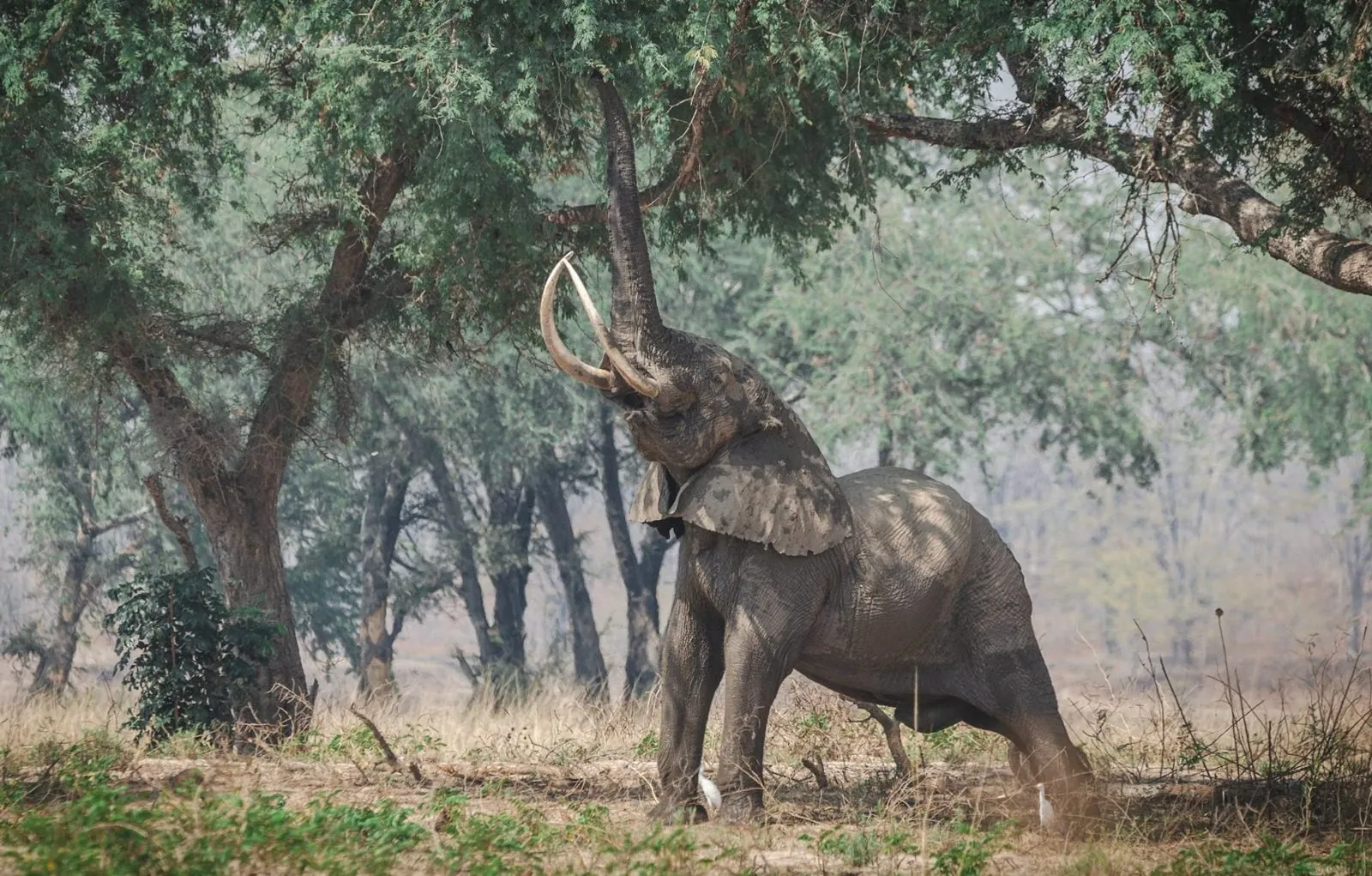
In some of Africa’s best-known parks, a good sighting can draw a ring of vehicles within minutes. In Zambia that is rare. The parks are vast, the camps are small and far apart, and the total number of beds is modest. In much of South Luangwa, Kafue and the Lower Zambezi, you can spend a morning with a leopard or a pride of lions and never see another vehicle. For many travelers, that alone is the reason to come.
2. The bushcamp, done right
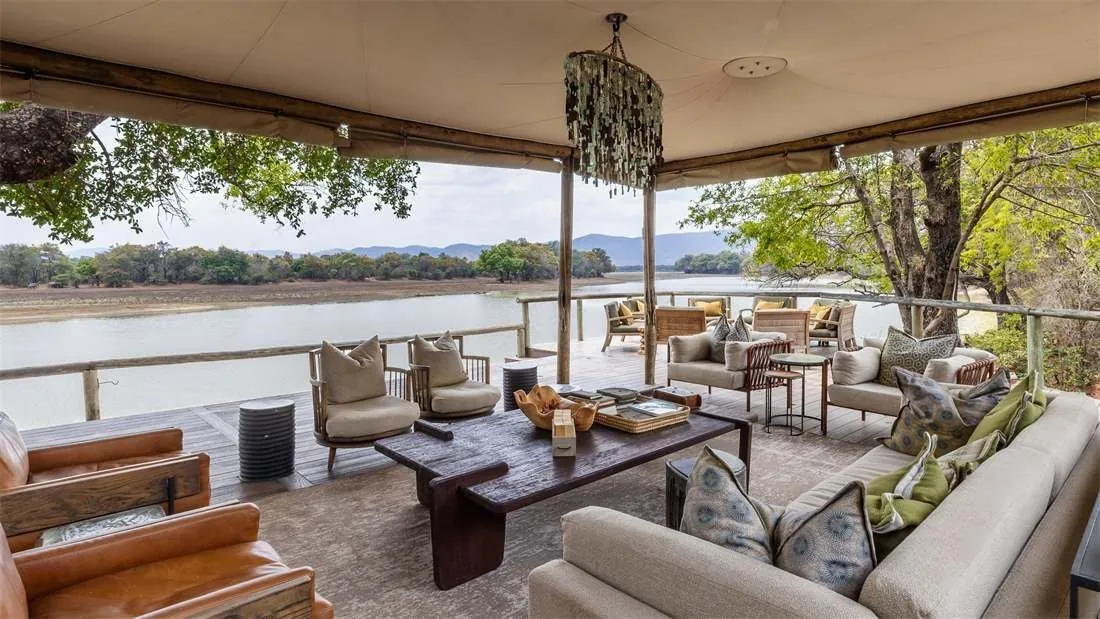
Zambia’s safari culture grew up around the bushcamp: a handful of tents or reed-and-thatch chalets, often for six to eight guests, run by people who live in the bush most of the year. They are comfortable, sometimes beautiful, but never showy. Dinner is shared under the stars, the guide who found the lions sits at your table, and the hippos grunt in the river below your tent at night. It is intimate in a way large lodges cannot be.
3. The home of the walking safari
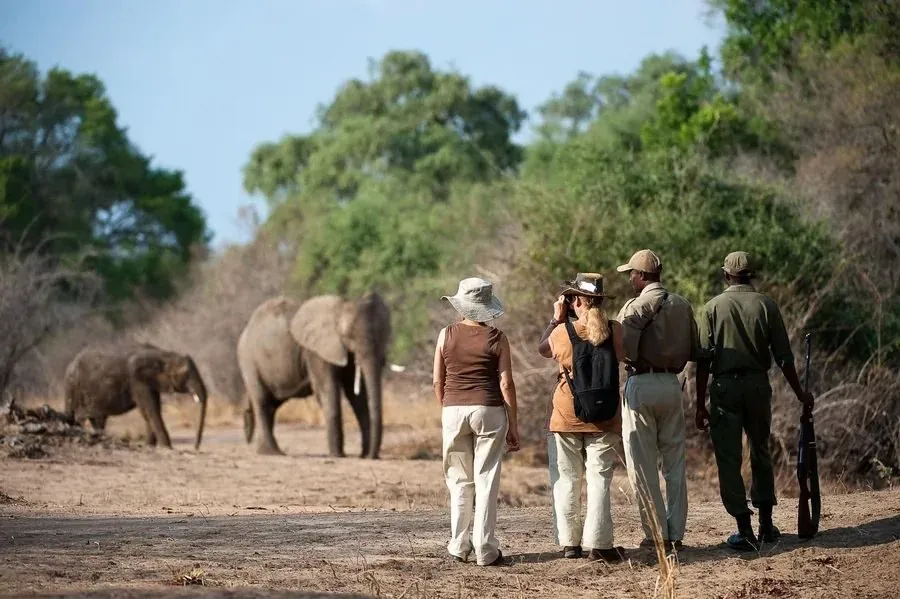
The walking safari began in Zambia’s Luangwa Valley, when Norman Carr first took paying guests out on foot in the early 1960s, and it is still done here better than almost anywhere. Walking with an expert guide and an armed scout changes everything: you notice tracks, birdsong, the smell of elephant, the wind. Zambian walking guides train for years before they lead guests, and it shows.
4. Night drives and exceptional encounters
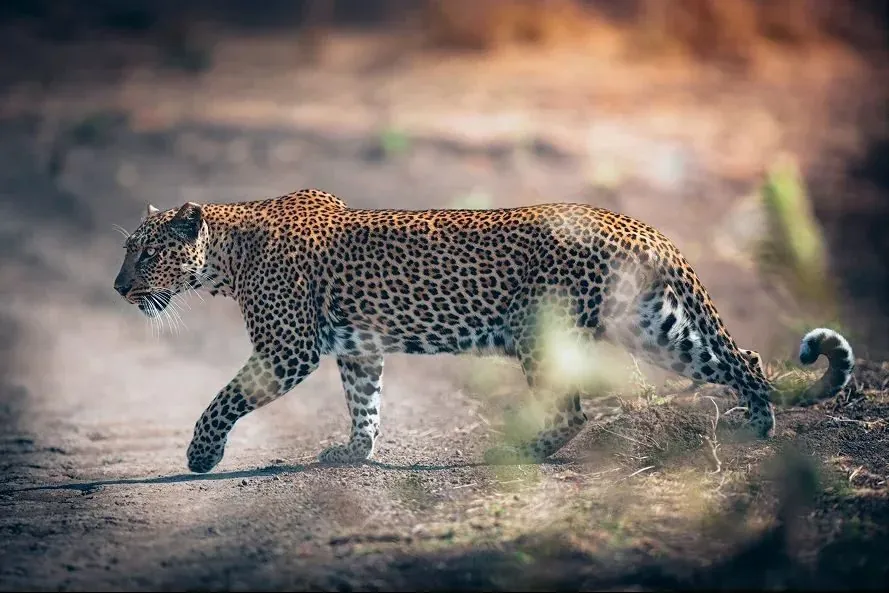
Many national parks elsewhere in Africa close their roads at dusk. In Zambia’s parks, night drives are part of the rhythm of the day, and they are where some of the most memorable sightings happen: leopards on the hunt, genets, civets, porcupines, hyenas and, if you are lucky, a pangolin. South Luangwa in particular is known for its leopards, and for wildlife found nowhere else, including Thornicroft’s giraffe and Cookson’s wildebeest.
5. Variety in one country
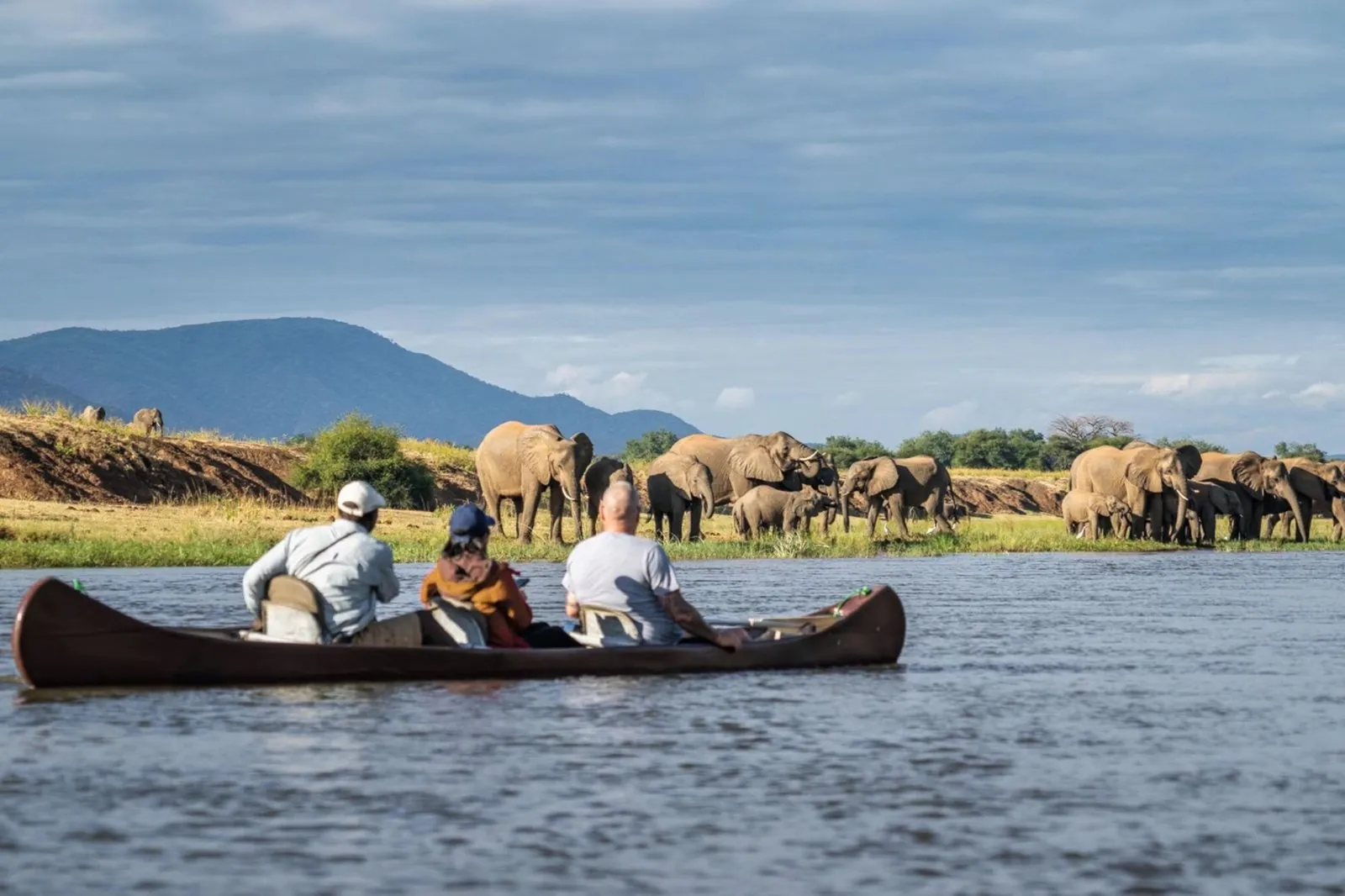
Zambia packs remarkable range into a single trip. Walk and night-drive in South Luangwa. Canoe past elephants on the Zambezi. Watch cheetah and red lechwe on the open Busanga Plains of Kafue. In the far west, Liuwa Plain hosts Africa’s second-largest wildebeest migration, and every November millions of fruit bats fill the evening sky over Kasanka. And Victoria Falls, one of the natural wonders of the world, is an easy addition on Zambia’s side of the river.
6. Easier to reach than ever
Americans no longer need a tourist visa for Zambia, and regional flights connect Lusaka with South Luangwa, Livingstone and the Lower Zambezi. Light-aircraft charters link the more remote parks. It is still a long way from home, but the journey is simpler than it was even a few years ago.
7. Real value for the experience
Top-end safaris everywhere are expensive. But nights in Zambia’s finest bushcamps often cost meaningfully less than comparable camps in Botswana or East Africa’s most famous reserves, and the experience is arguably more personal. Shoulder and green-season rates make it better still.
Why go now
Every great safari destination goes through a moment when it is discovered but not yet crowded. Zambia is in that moment now. The camps are still small, the parks are still quiet, and the guiding is as good as it gets. If it has been on your list, this is the time to go, before everyone else does.
We would love to help you plan it. Start with our guide to Zambia, or tell us what you have in mind.
