
Safaris for your family, your group, or just you.
Every journey is private and built around who is traveling. Here is how we plan for three kinds of trip we are asked about most.
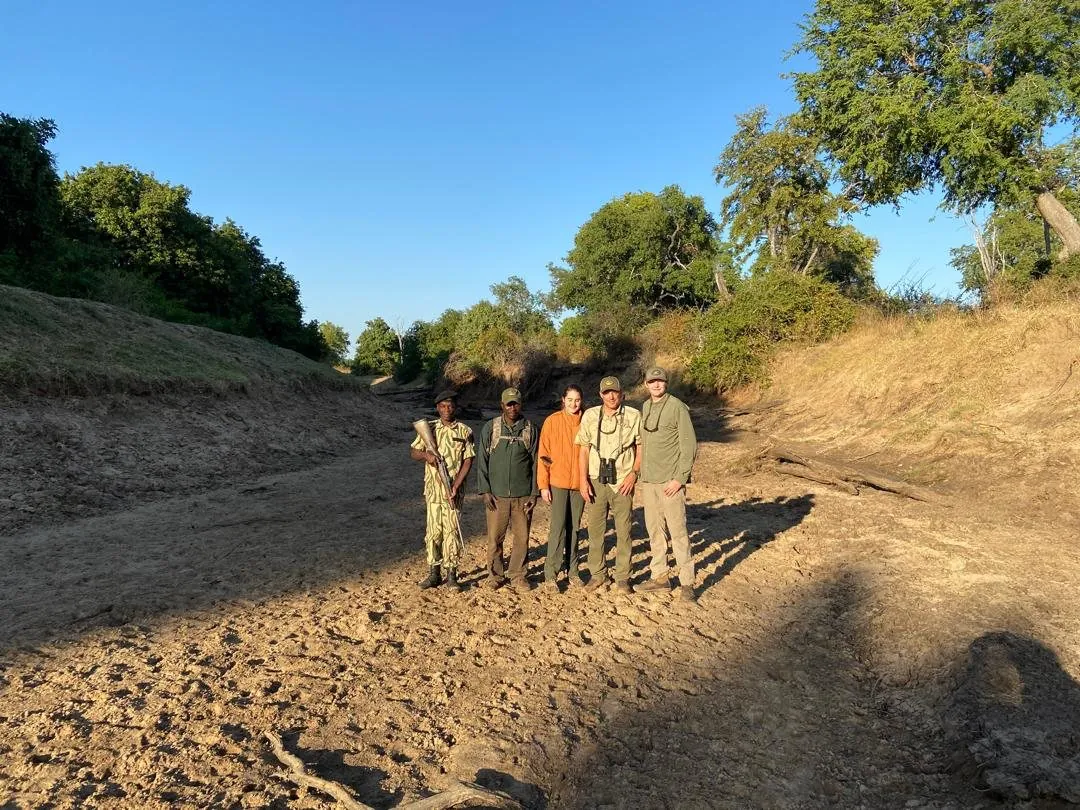
Real time together, not a tour.
Teenagers do best on a safari when they have something to do. We plan days that include a guided walk, a night drive, time with the camp team and, if your family wants it, a visit to a school or a conservation project.
Ages. Walking safaris in Zambia have a minimum age of 12, and some camps set their own limits. Gorilla trekking in Rwanda starts at 15. Younger children can stay at many of the same camps and join game drives, and we will tell you which camps suit which ages before you choose.
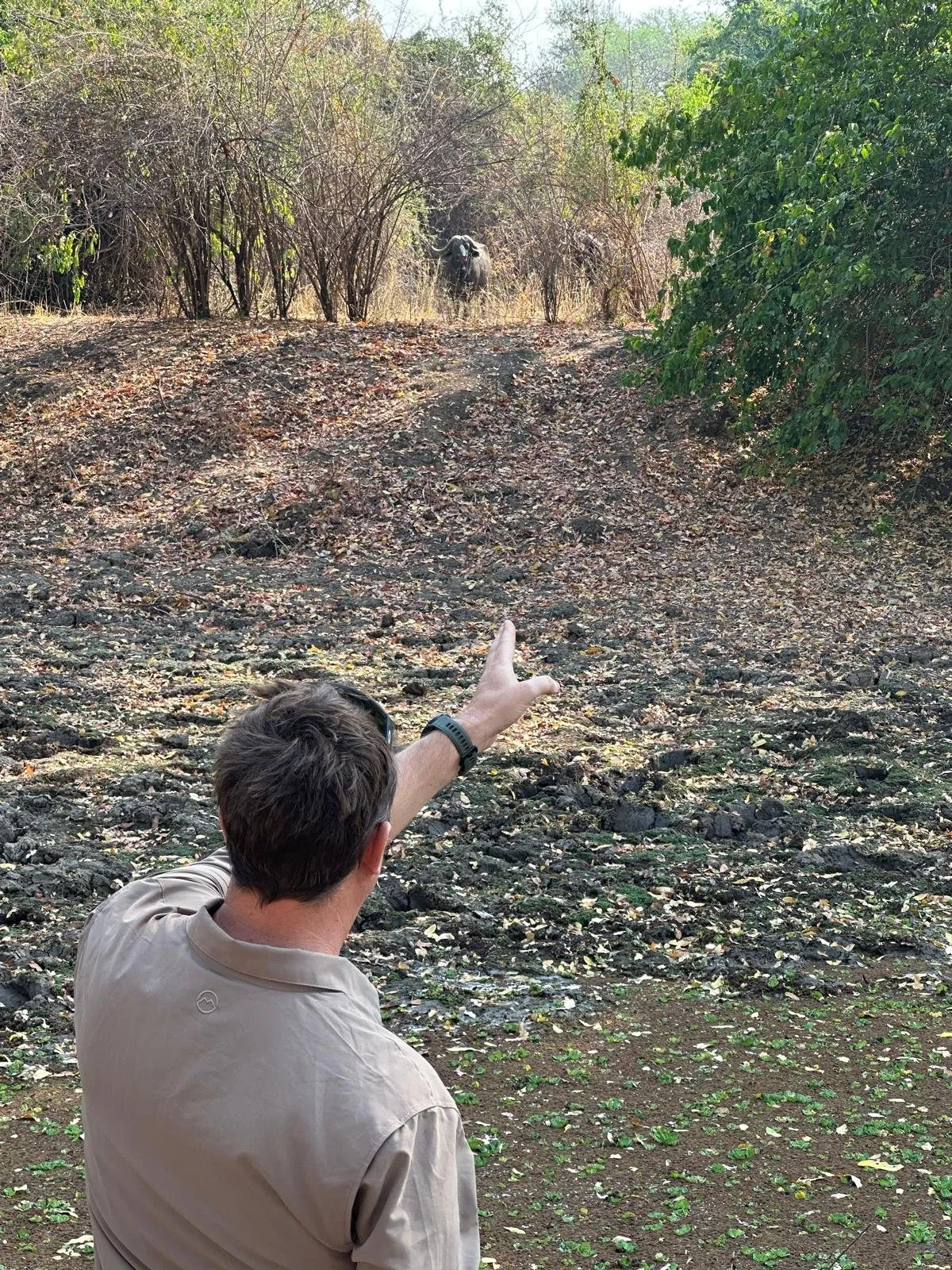
Safety. On foot, your family walks in single file behind a licensed guide and an armed scout, after a briefing every time. In a vehicle, a guide who knows the animals drives. Tell us the ages and temperaments in your group and we will plan around them.
You are never on your own.
Many safari guests travel alone, whether by choice or because a partner could not come. Camps are small and sociable, meals are shared if you like, and your guide and our team are with you throughout.
Single supplements. Many camps charge one, and it varies by camp and season. We tell you exactly what applies before you decide, and we look for camps and dates where it is smaller. Prices on our journey pages are per adult, so ask us for your solo figure.
Your own pace. If you want a private vehicle and guide, we can arrange one, so the day follows your light, your lens and your energy.
Everyone looked after.
A safari can work for a grandparent in their eighties and a nine-year-old in the same family. The classic safari asks only that you can walk short distances, step up into a vehicle and sit comfortably for a few hours. Walking safaris are always optional, and nobody is left out when someone sits one out.
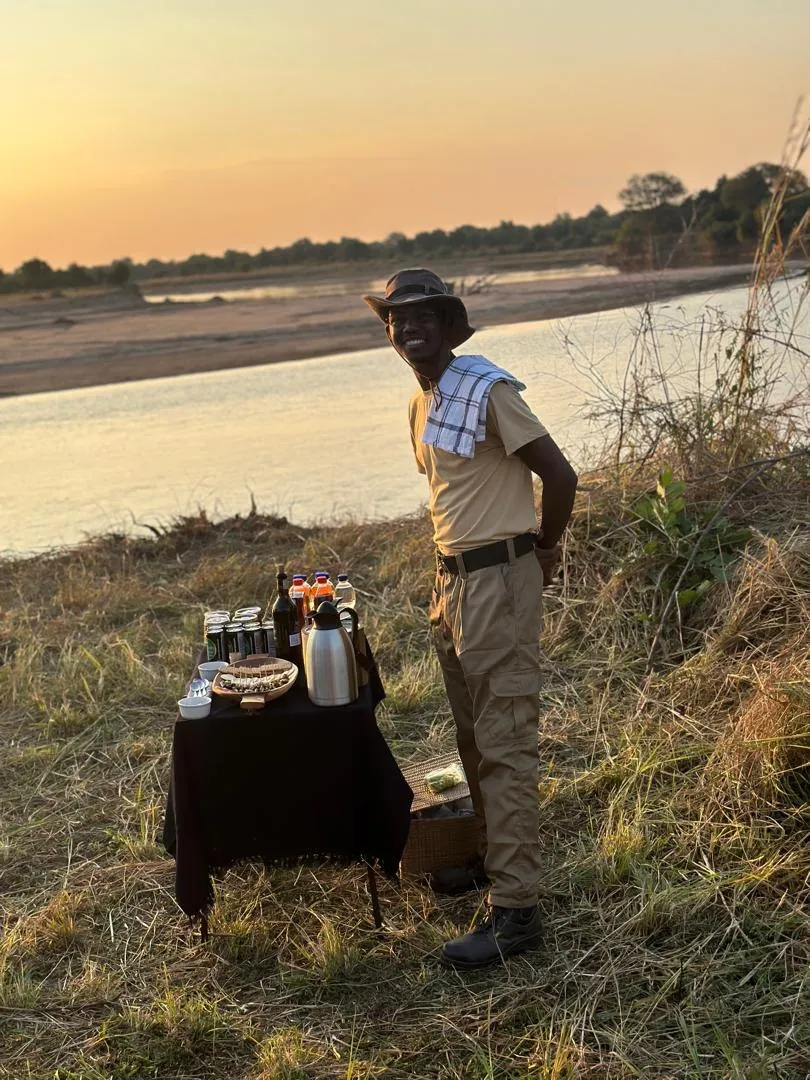
We choose camps with ground-level rooms and short walks to the main area, and we can arrange private vehicles so each generation can go at its own pace. Staff will give a steady arm and walk you to your room after dark.
Whatever the size of your group, one person on our team knows the whole plan. Tell us about any health or mobility needs when you inquire.
Safety and health.
Walking guides in Zambia hold one of the most demanding qualifications in Africa, and every walk starts with a safety briefing. The scout carries a rifle as the park rules require, and it is almost never used.
Camps are remote, so bring enough of any medication, with copies of your prescriptions. We require comprehensive travel and medical insurance for every traveler, and strongly recommend that it include emergency evacuation.
Ask us anything about malaria precautions, medical care or evacuation before you book. We will give you straight answers.

Begin a Conversation
Tell us who is coming and what matters most, and we will take it from there.